Made in America
Flat Roofing
Flat Roof Repair or Replacement? What Philadelphia Homeowners Should Look For
The short answer
A single, new leak in an otherwise solid flat roof can often be repaired. Recurring leaks, patch-on-patch repairs, soft decking and water that sits for days are signs replacement deserves a serious look.
A leak is a symptom, not a diagnosis
Almost every flat roof leaks at some point. A single leak does not mean the whole roof is finished. It means water found a way in somewhere, and someone needs to find out where and why.
On a flat roof, the place where water shows up inside is often not the place where it gets in. Water can travel along the deck or the joists before it drips through a ceiling. That is why a good repair starts with finding the real entry point, not just covering the spot above the stain.
Common entry points include:
- Seams and laps in the roofing that have opened up
- Flashing around chimneys, vents, skylights and walls where they meet the roof
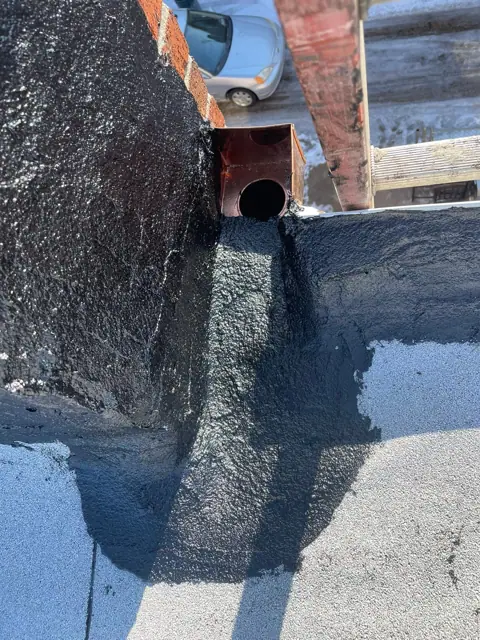
- Drain boxes, scuppers and the edges where water leaves the roof
- Cracks, splits or blisters in the roof surface itself
When a repair may be all you need
A repair can make sense when the problem is local and the rest of the roof is in decent shape. Signs that point toward a repair:
- The leak is new, and it is the first one in a long time
- The damage is in one area, like a single flashing or one opened seam
- The roof surface still looks solid, with no widespread cracking or bare spots
- The deck underneath feels firm, not soft or spongy
- Water drains off the roof after rain instead of sitting in low spots
In cases like this, fixing the problem area properly can buy real time. "Properly" is the key word. A repair should tie into the existing roof cleanly and address the cause, not just smear sealant over the surface.
Warning signs that replacement deserves a look
Some roofs reach the point where repairs stop keeping up. Here is what tends to push the decision toward replacement.
Recurring leaks
If you are calling about leaks every season, or a repair holds for a few months and then a new leak shows up nearby, the roof may be wearing out as a whole. Chasing one leak after another gets expensive, and each one can let more water into the structure.
Patch on top of patch
Look at the roof from a safe window or ask your roofer for photos. If you see layers of patches, tar over tar, or old repairs stacked on top of each other, that is a sign the roof has been held together rather than maintained. Patches can also create ridges and low spots that trap water.
Soft or spongy decking
When water gets under the roofing for a long time, the wood deck below can rot. A roofer walking the roof may feel soft areas that give underfoot. Rotted decking cannot be fixed from the top with another layer. The wet, damaged wood has to come out, and that usually means opening up the roof.
Ponding water
Flat roofs need to drain. The National Roofing Contractors Association (NRCA) defines ponding as water that stays in low areas of a roof more than 48 hours after rain, under conditions good for drying. Water that sits that long can wear down the roof and add weight to the structure. Sometimes ponding can be fixed with better drains. Sometimes it means the deck has sagged and the roof needs to be rebuilt to drain correctly. Our article on why flat roofs pond water goes deeper on this.
Poor drainage details
Rusted, clogged or badly set drain boxes and scuppers are a common source of trouble on Philadelphia flat roofs. If the drainage itself is failing, patching around it rarely solves the problem for long.
What a good inspection should cover
Before anyone tells you to repair or replace, they should actually look. A useful inspection usually includes:
- Where the water is showing up inside, and tracing it back to the roof
- The condition of seams, flashing and edges
- How the roof drains, and whether water is sitting anywhere
- Whether the deck feels solid or soft
- How many layers of old roofing or patches are already up there
- Photos, so you can see what the roofer saw
Ask the roofer to explain what they found in plain language and to show you the photos. A clear explanation is a good sign. If you cannot get a straight answer about why they are recommending what they are recommending, ask again or get another opinion.
The honest middle ground
Not every roof falls neatly into "repair" or "replace." Sometimes a roof can be repaired now with a plan to replace it in the next few years. Sometimes a repair is possible but would cost a good share of what a new roof would, which changes the math.
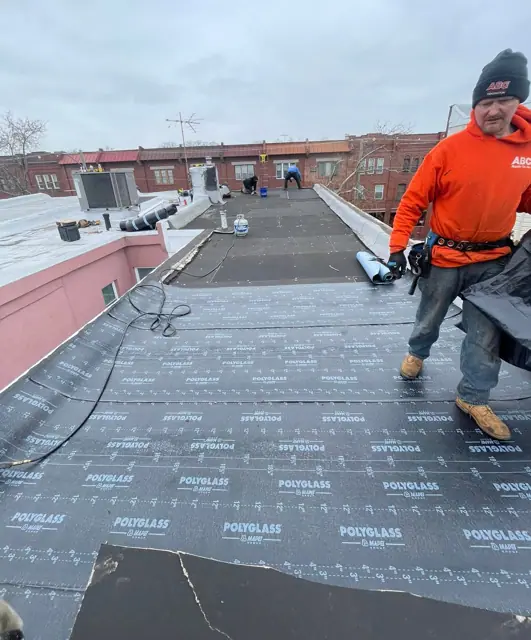
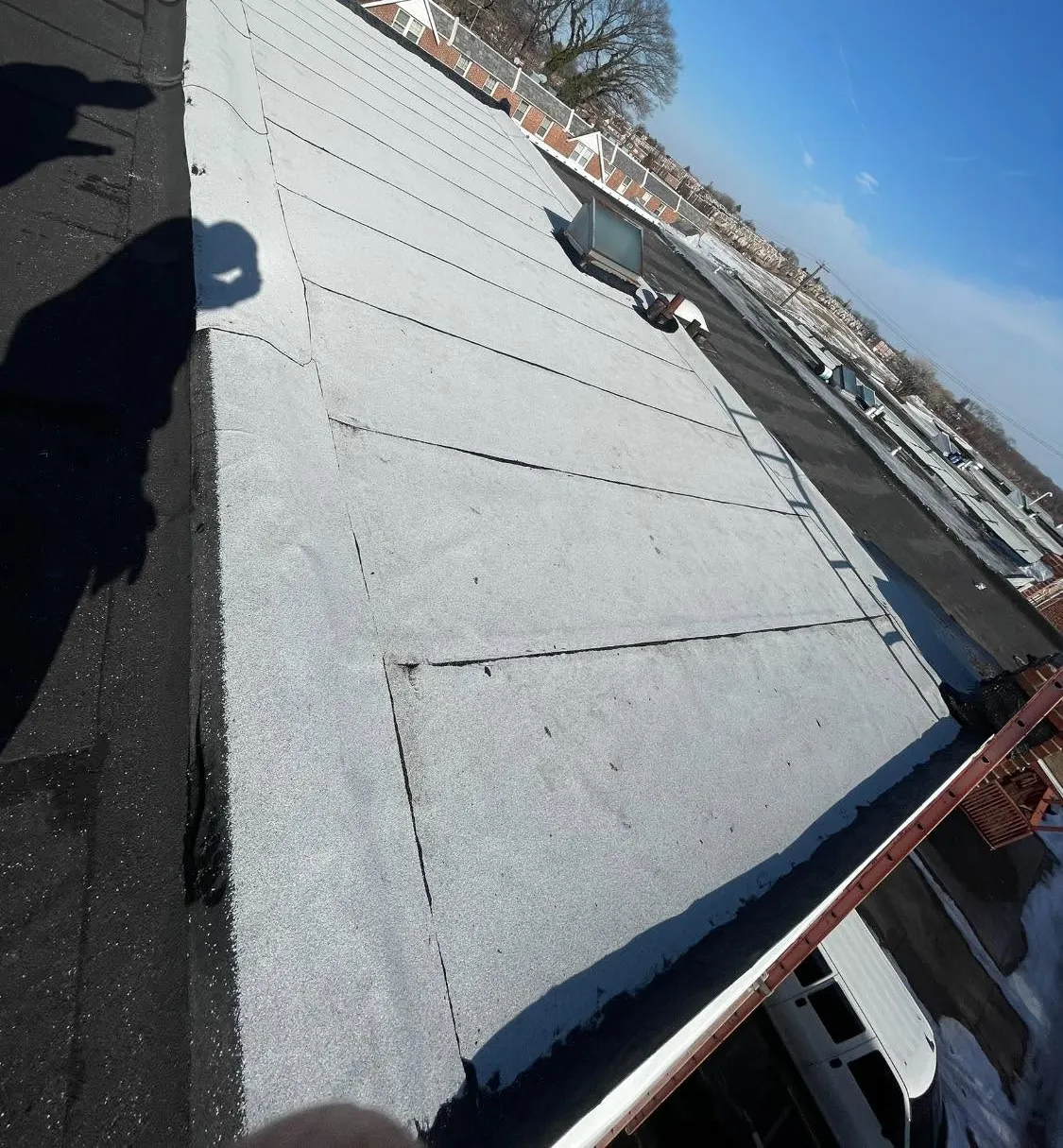
The right call depends on the roof in front of you. No article, and no one looking only at a photo, can make that decision for certain. What you can do is know the signs, ask good questions, and get someone up there who will show you what is really going on. If you want to see what a full replacement involves, read how a Philadelphia rowhome flat roof is replaced, or walk through the flat roof walkthrough.